
Amazon didn’t just win on price. It won by making shopping feel effortless – fast delivery, vast choice, no friction. Two-day shipping became two-hour shipping, and somewhere along the way, that became the baseline expectation. For small shop owners across Britain, trying to match any of that on its own terms is a losing game. The scale simply isn’t there.
But that doesn’t mean the game is over. It just means the rules are different.
Why Amazon Changed What Shoppers Expect
The honest truth is that Amazon rewired what customers think shopping should feel like. Speed, low prices, endless options – that’s the new normal, and it hit Britain’s high streets hard. Shops that tried to compete directly, on delivery times or margins, mostly struggled.
What’s worth paying attention to, though, is that the pendulum has started to swing. A growing number of shoppers are looking for something Amazon can’t package and dispatch: a real sense of connection, someone who actually knows what they’re talking about, an experience that doesn’t feel automated. Saving a quid or waiting an extra day matters less to those customers than feeling like they’re buying from a person, not a platform.
Turning Local Roots into a Real Advantage
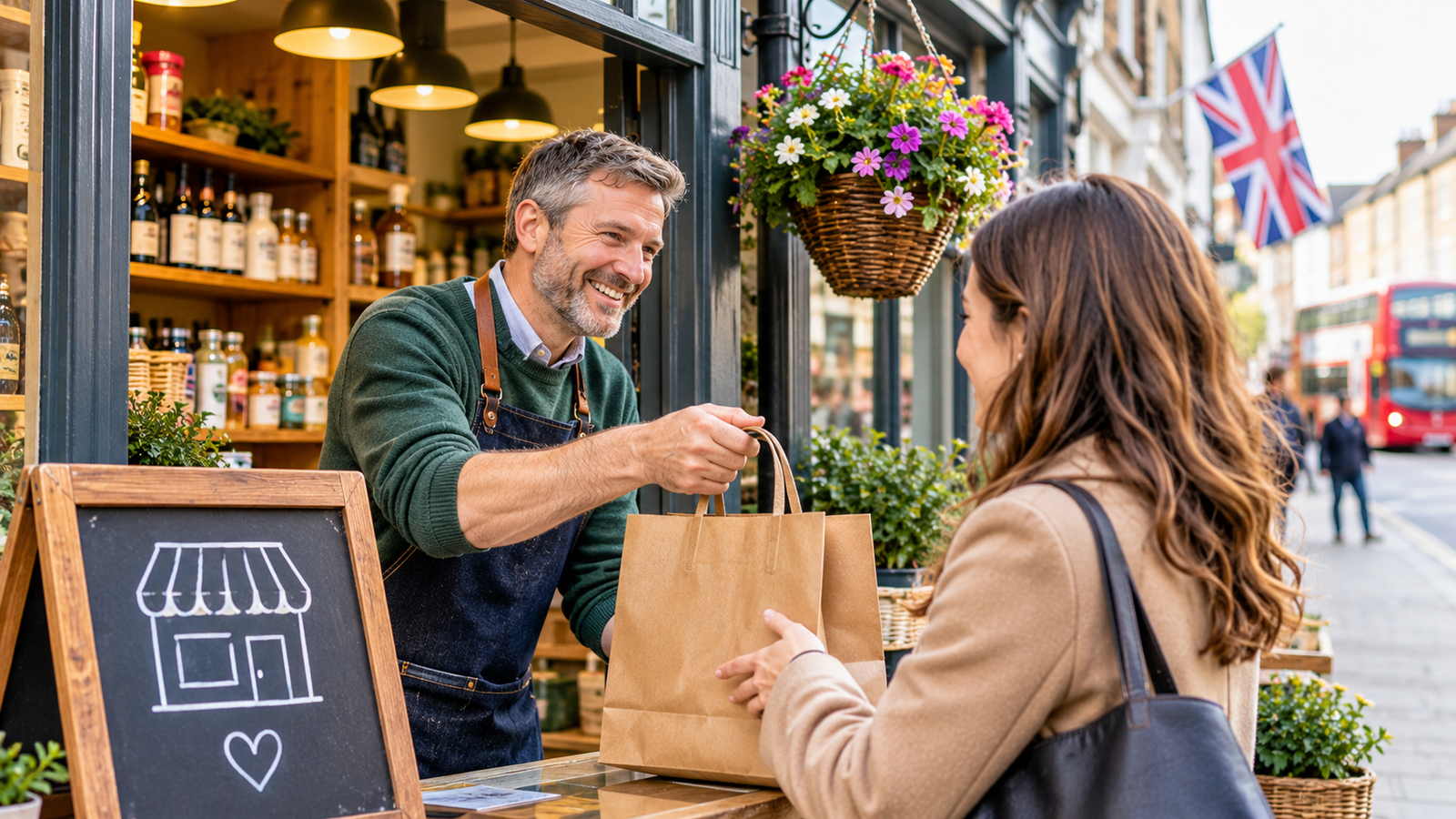
The thing a small shop has that Amazon will never have is a physical place in a community. That’s not a small thing. Hosting events, partnering with other local businesses, showing up for local causes – it builds goodwill that compounds over time. People support shops they feel attached to.
Staff knowledge matters more than most shop owners probably realise. When someone walks in uncertain and walks out confident, that sticks. When an employee remembers a returning customer’s preferences, that sticks too. It’s the kind of service that gets talked about, and word of mouth from a happy customer is worth more than most paid advertising.
The experience itself doesn’t have to be grand. A good layout, a genuine greeting, a recommendation that actually makes sense for the person in front of you. It adds up. People notice, and they come back.
Blending Digital Convenience with In-Store Character
Using digital tools isn’t about competing with Amazon online. It’s about making the physical shop easier to find and easier to trust. A simple, well-organised website – one that shows what’s in stock, tells the shop’s story, and makes contact straightforward – does real work before a customer even comes through the door.
Social media is worth taking seriously for the same reason. Instagram and Facebook let shops show personality: new stock, behind-the-scenes moments, the people behind the counter. Done consistently, it keeps a shop present in people’s minds between visits, and builds something that feels like a community rather than just a customer list.
Click-and-collect is a practical option that often gets overlooked. Customers get to order from home and still come into the shop – which creates a natural opportunity for a conversation, an extra purchase, a bit of connection. That said, a poor checkout experience, whether it happens online or at the till, can quietly undo everything else. The transaction itself needs to be smooth. That part isn’t optional.
Competing on What Matters, Not What’s Hardest
No small British shop is going to out-Amazon Amazon. That’s not defeatist – it’s just the starting point for thinking more clearly about what’s actually worth competing on. Community, expertise, and a shopping experience that feels like it was designed by humans for humans: that’s the territory worth owning.
The high street isn’t finished. It’s just figuring out what it’s for now – and the shops doing that thoughtfully, with decent digital support behind them, are the ones building something worth sticking around for.